The Nashville Teens
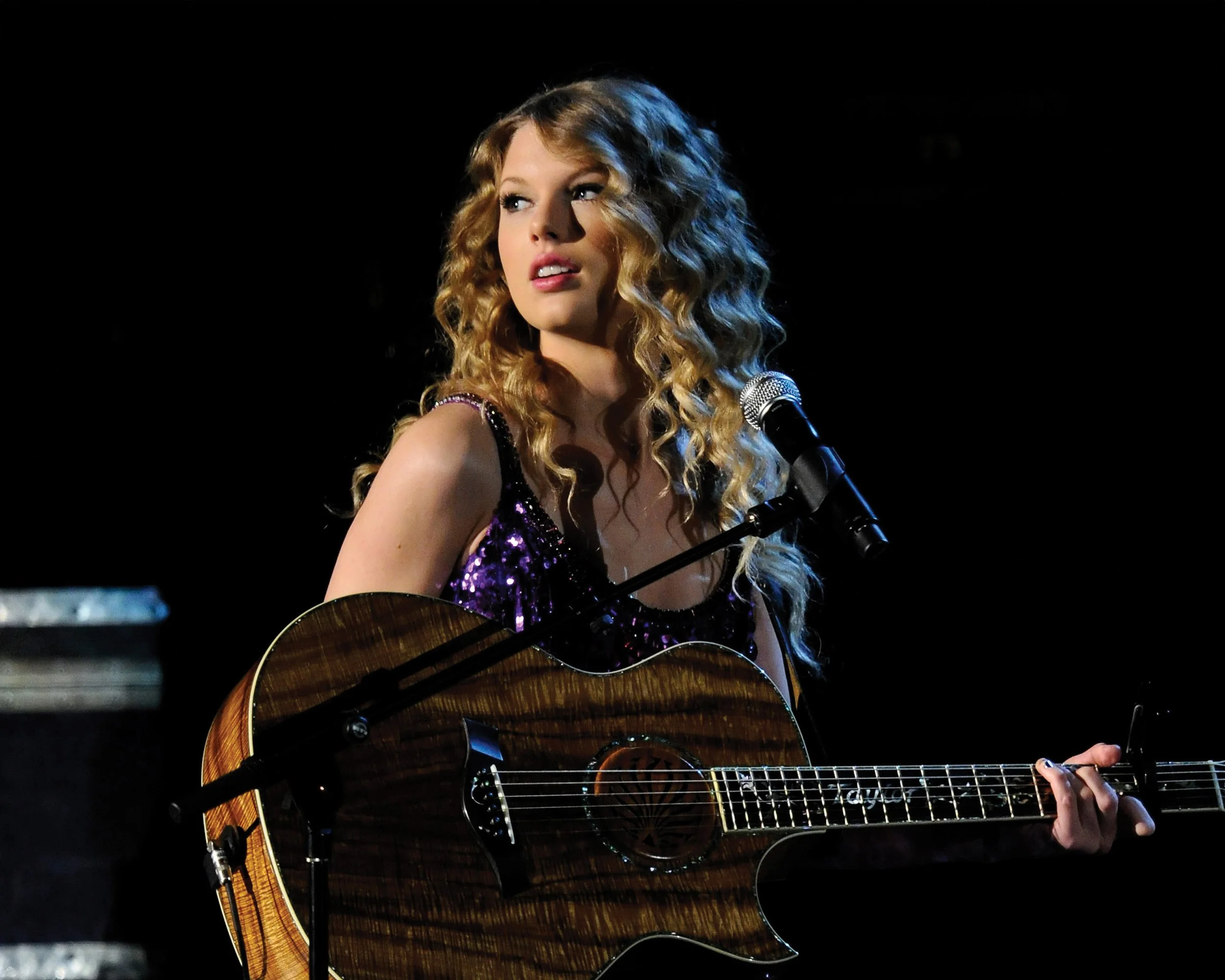
Legend has it. And I’m sure that it must be true. If you wanted to find Taylor Swift, on any given afternoon, when she was new to Nashville, try any time after four-thirty in one of the old converted offices off Music Row. Back then – it would be 2004 time – and though only 14, she would still be in the studio or writing room, long after the songwriters had gone home.
Sat there, you’d find her scribbling on a legal pad, refining what had gone down during the day’s session that had just concluded. Even then – again, according to popular myth - the hair would be tangled, her mother would be waiting in a nearby SUV.
And Swift would be still working. Nor was anything even remotely like a one-off incident. Scott Borchetta, then a music executive preparing to launch his own record label, would later describe that work ethic and that person as “a heatseeking missile for ideas.”
In Nashville in the early 2000s, there was no precedent for someone like Taylor Swift to step up. It was the country music era of big personalities and even bigger hats, with those aforementioned wearers-of personified by the likes of solo artists Tim McGraw and Kenny Chesney, and the band Rascal Flatts. With this time the precursor to the period known as ‘bro country’, typified by the likes of Florida Georgia Line (“Cruise,” is often cited as a template bro country single), Luke Bryan, Jason Aldean and Blake Shelton. And the immediate followers of the kind of arena-filling country music brought to the world by Garth Brooks. Looking for any ‘next steps’ in this lineage, and none of them point to a 14-year-old girl. Age and gender aside, Swift was too polished for the city’s gritty honkytonk circuit; too naive for its writer’s rounds; too suburban to be ‘authentic’ and sufficiently ‘feminine’ to rule herself out of any prevailing – or preceding - trends.
But Swift’s family had already swum against the tide once. That was to move for the dream. Scott and Andrea Swift - her father was a Merrill Lynch stockbroker and her mother a former marketing executive – had relocated from Wyomissing, Pennsylvania, to Hendersonville, Tennessee, landing there in 2003. For one reason, and one reason only.
“It wasn’t, ‘Help me write a song.’ She already had the song - she just wanted to make it better”
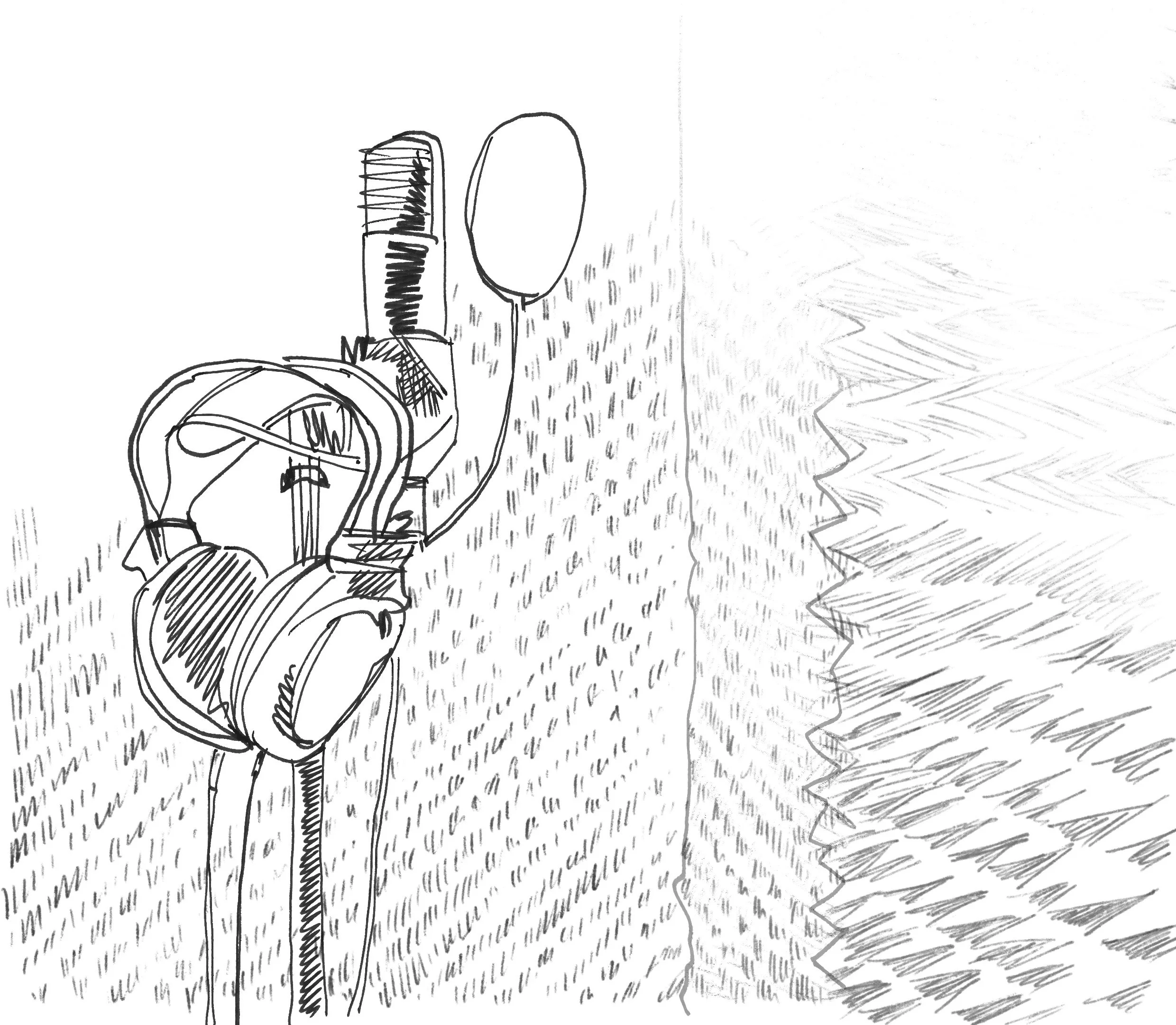
Not only a family move, the shift (to the Swifts) symbolised something deeper. It was also about the changing economics of Nashville at that time. The city was entering a transitional era, where the traditional system - artists signed out of barrooms or writer’s nights - was giving way to development deals and grooming sessions. Swift was among the first of a new class of artists whose careers began not in smoky dives but in writing rooms and demo studios. Hers was a test case for the new system as much as it was for the system itself.
Liz Rose, a seasoned songwriter and one of Swift’s earliest and most persistent co-writers, recalls their first session at Sony/ATV on Music Row. “She came in with a spiral notebook just full of lyrics,” states the veteran writer. “It wasn’t, ‘Help me write a song.’ She already had the song - she just wanted to make it better.”
And Music Row in 2004 didn’t much resemble the heartland mythology country radio tried to sell. The strip of what was effectively converted houses between 16th and 17th Avenue provided an ecosystem of publishers, studios, coffee shops, and half-forgotten rehearsal spaces.
It served as a place for the old to battle with the new. For the Nashville establishment - torn between its conservative radio formulas and ‘saleable’ stereotypes - and an investment in a series of younger, pop-oriented acts who were slowly reshaping the sound. In all of this, it’s never easy to vote for a future you don’t understand.
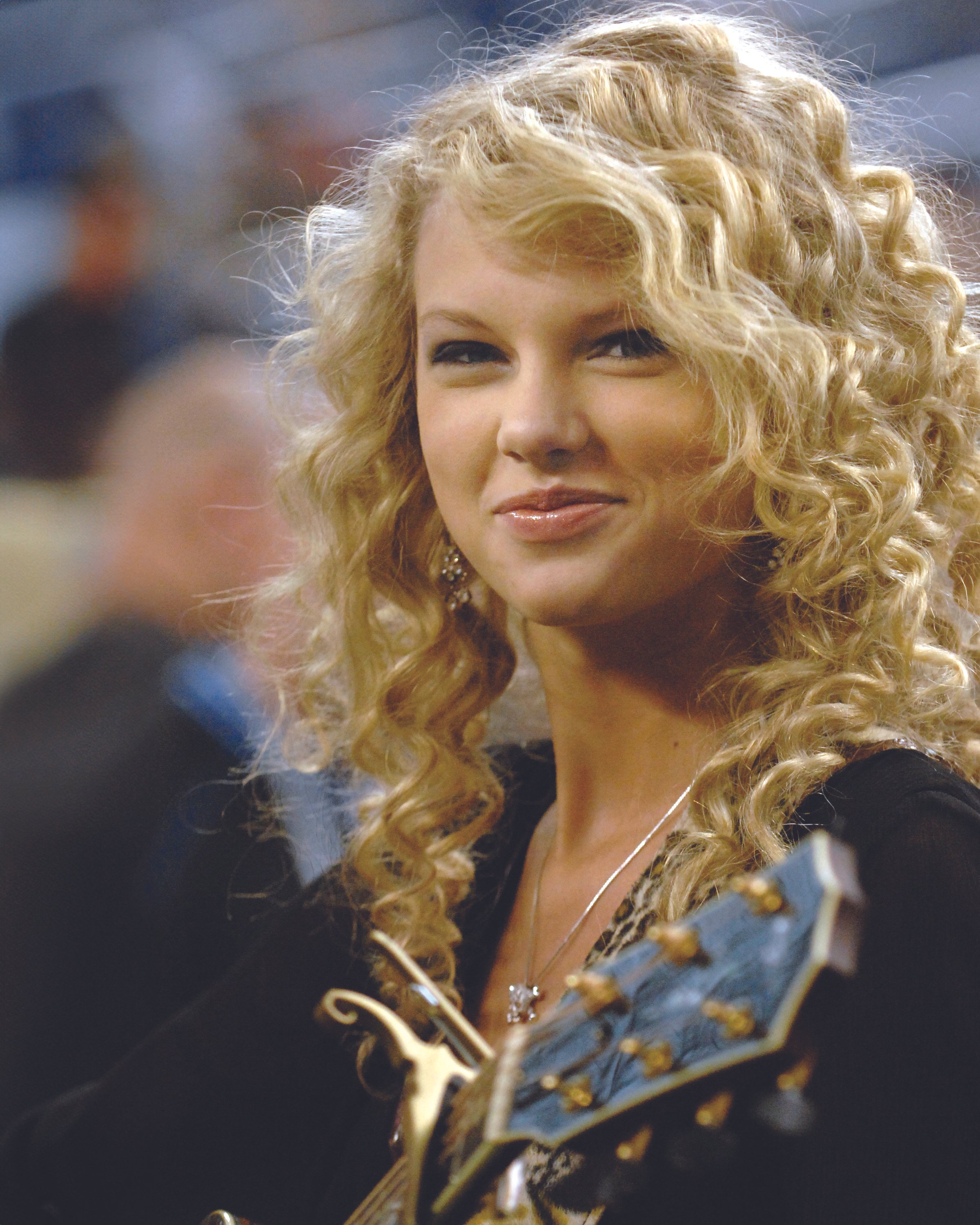
Luckily, Swift entered this environment as someone who hadn’t yet learned the rules. While most teens interested in country music at that time were gunning for slots on American Idol or the miracle shot of open mic stardom, she wanted to be a songwriter first. Her early demos— "Lucky You,” “Invisible,” “Permanent Marker” – were already brimming with a kind of writing proficiency and precision that set her apart. And not just from her peer group. But she wasn’t ‘aping her elders’; telling stories of adults-gone-wrong but of adolescent yearning, what came across as High School bleacher seats and locker-room politics, and a journal-like honesty. Abstraction was not the attraction.
“She was writing through a completely different lens,” says Nathan Chapman, her early producer and one of Big Machine’s first hires. “Everyone else was trying to get Brooks & Dunn cuts, and here’s this 15-year-old writing about school and crushes. It was so naive it became radical.”
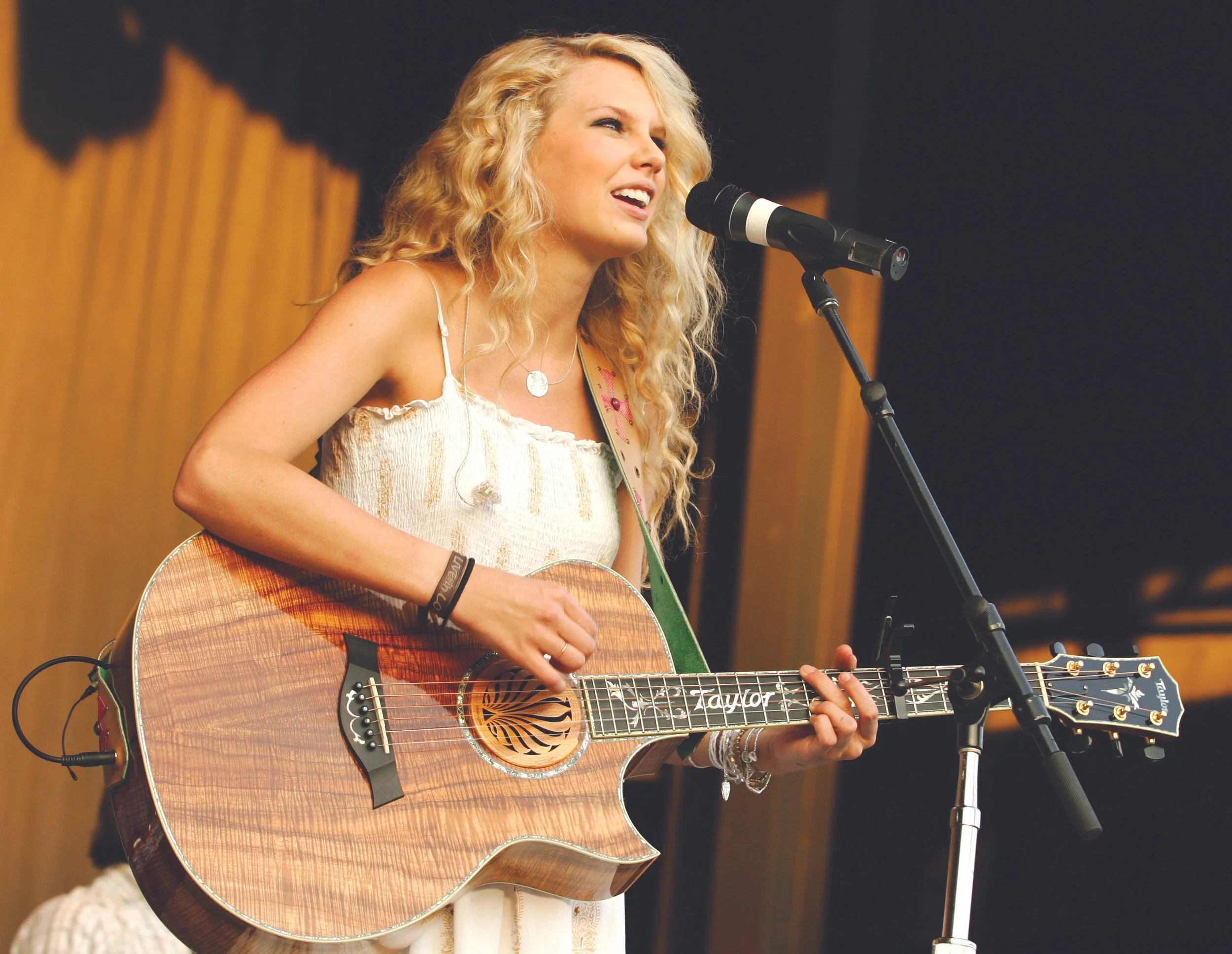
But before the world knew her as she is, Swift took a brief detour through the rejection circuits that defined mid-2000s Nashville. When she was 11, she’d handed out demo CDs labelled simply “Taylor Swift” at label offices around town, a story she’d later recount with practiced charm on talk shows. But she came close to quitting.
A former RCA executive remembered her early development deal in guarded terms. “She was ambitious - breathtakingly so - but we couldn’t quite fit her into the pipeline. The songs were good, but they were too personal for what country was doing then.”
In 2004, RCA decided not to extend their relationship, leaving Swift - still 14 - without a deal. Instead of retreating, she doubled down, starting to play songwriter showcases where teenagers were rarely seen. One night at the Bluebird Café would change everything. As it has – and still does – for so many.
The Bluebird’s mythology looms large in Nashville. It looks nothing from the outside, and even less from within. Picture a setup of modest dining tables, a central stage barely big enough for a four-person writer’s round, and a crowd of lucky punters and A&R scouts hoping to spot the next big hit song. Never the performer.
Scott Borchetta, who was then planning to leave Universal to start Big Machine Records, was in the audience. He recalls: “She played a song called ‘Picture to Burn.’ Not for radio, not for applause - just to see if we’d listen. And damn if we didn’t.”
Bingo. Lift-off. Drivers, start your engines. Now formally signed as a Big Machine artist, Swift entered producer Nathan Chapman’s small home studio to record what would become her debut album. Chapman was still an untested producer, doing most of the sessions in a converted garage. “We just built the sound, track by track,” he explained later. “No big sessions, no Nashville A-listers. Just Taylor, me, and the songs.”
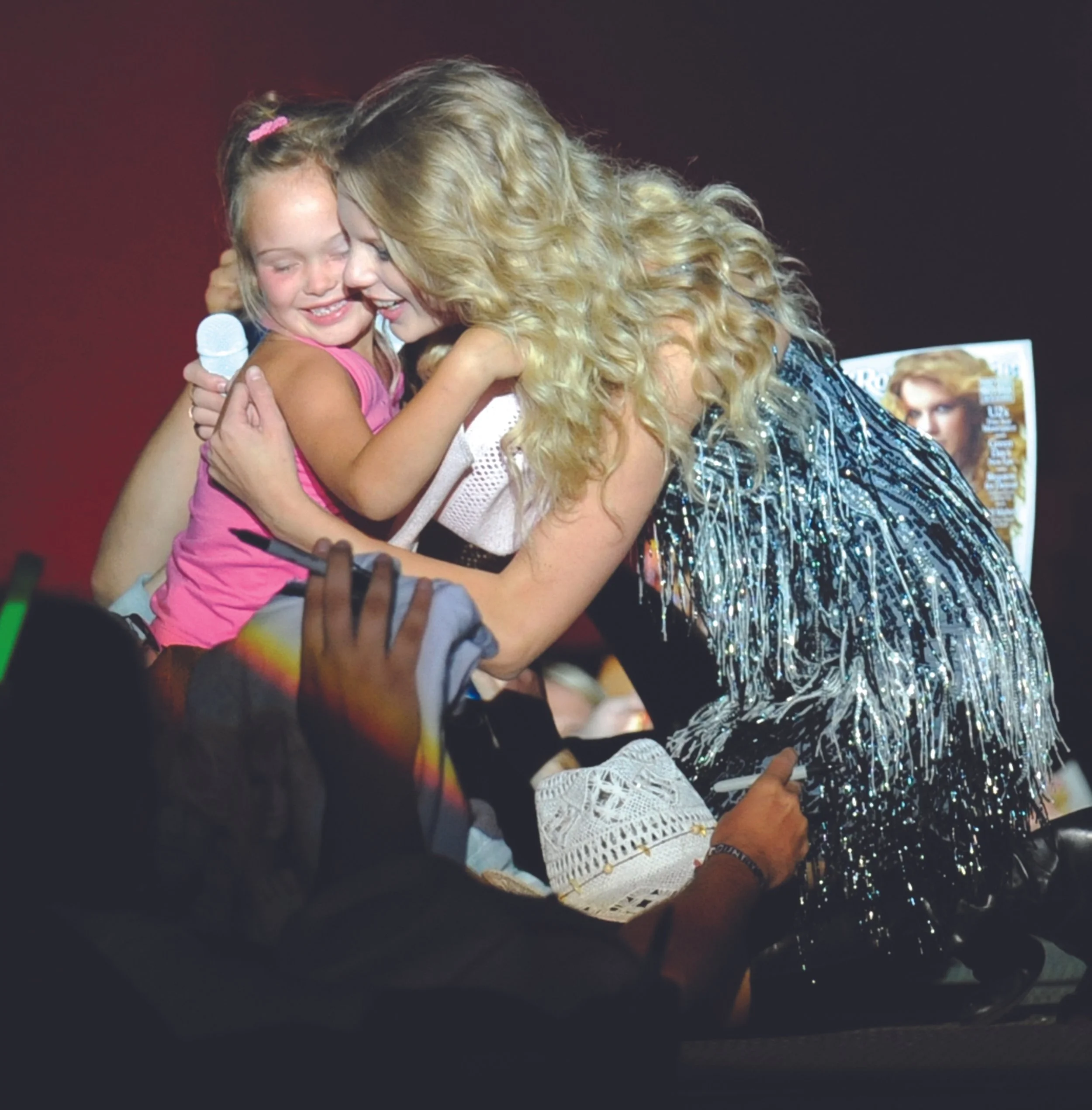
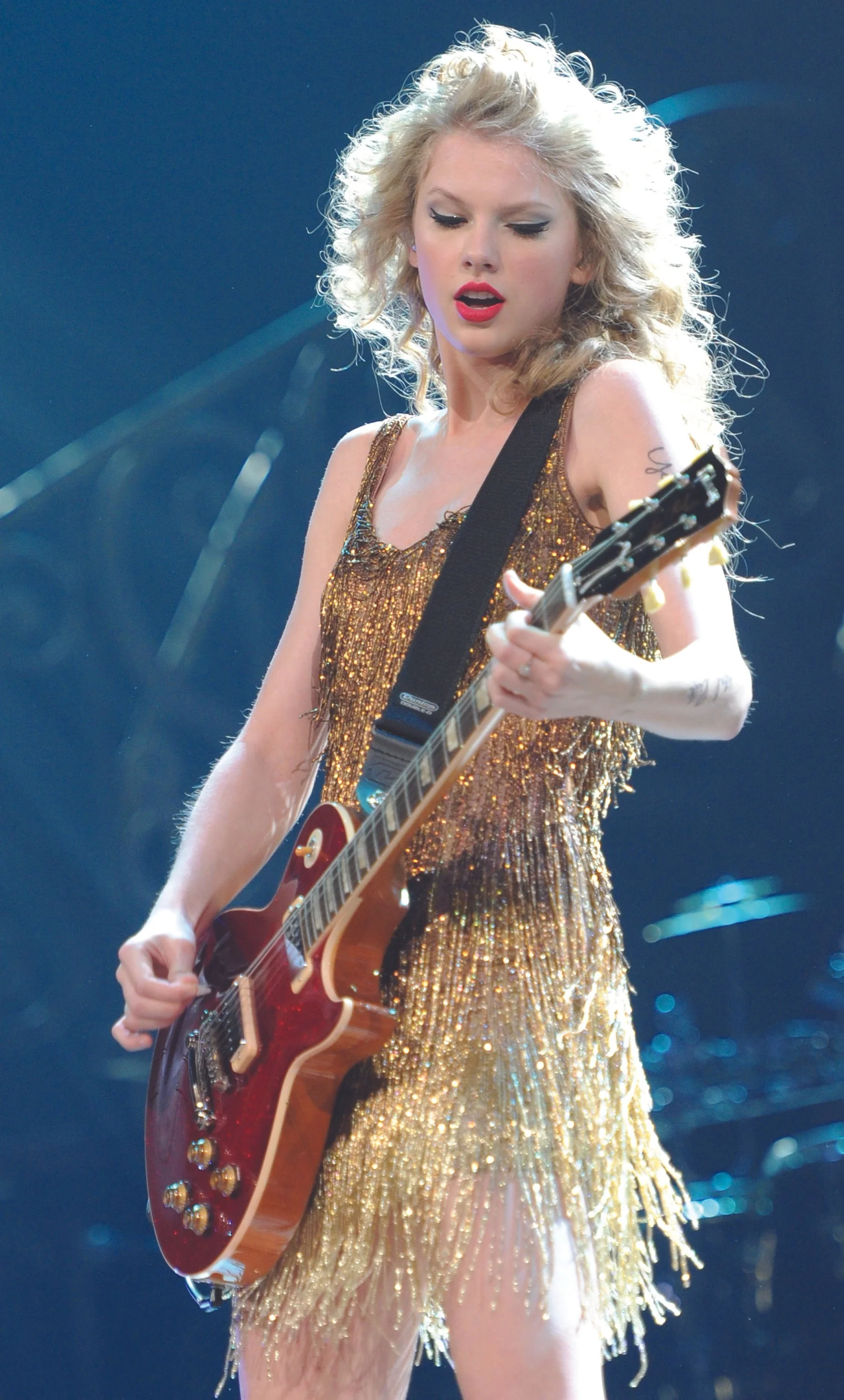
By early 2006, the Nashville establishment was curious. If remaining sceptical. The emergence of a teenage girl writing her own material didn’t fit easily into the industry playbook. Not in the context of what was happening or had gone before. Radio programmers smiled politely but balked at the idea of adding “Tim McGraw” to their rotations - until early response from local stations in Pennsylvania and Tennessee forced a rethink.
Veteran journalist Chet Flippo, writing for CMT at the time, noted that "Tim McGraw" “sounded like a pop song wearing cowboy boots.” The hook - “When you think Tim McGraw, I hope you think of me” had a rare quality. It being both massively nostalgic – McGraw was by now a near-heritage act - and the new.
The single peaked at number six on Billboard’s Hot Country Songs chart. More importantly, her live performances - especially a stop at the 2006 CMA Fest - began winning over audiences one state fair at a time.
Scott Borchetta recalled later that she “outworked everyone. She’d be at a radio station at 6 a.m., then a county fair that night, signing autographs past midnight.” The relentless marketing wasn’t a tactic, it was a necessity. It’s hard to believe, but at that time Big Machine was still a struggling startup, and every handshake mattered.
Swift’s circle in Nashville remained surprisingly small. Liz Rose remained her primary cowriter. Nathan Chapman shaped the early sonic identity. Her parents managed logistics – as they always had - chaperoned radio tours, and coordinated all of those early image decisions. For all the gloss that would later accompany the Taylor Swift machine, it was then and still remains a family business. “We were printing T-shirts in the kitchen and managing schedules on spreadsheets,” Andrea Swift said of those early years. “There was no strategy beyond: just keep showing up.”
“She’d be at a radio station at 6 a.m., then a county fair that night, signing autographs past midnight”
That intimacy bred its own creative freedom. Songs like “Teardrops on My Guitar,” “Should’ve Said No,” and “Our Song” came from high school experiences filtered through a maturing diarist’s lens. One friend from Hendersonville High recalled her writing lyrics in math class margins, her notebooks famoulsy littered with chorus revisions.
The Nashville establishment still didn’t quite know how to process it. “There was a kind of tension,” remembers a session guitarist from those early days. “We knew she was good - better than most - but it wasn’t ‘country’ in the traditional sense. It was its own thing.”
When the self-titled debut album dropped in October 2006, it wasn’t the instant smash the narrative might suggest. The reviews were respectful. Yet it was the songs themselves that built their own momentum. To the point where the record spent nearly four years on the Billboard 200.
Critics often misread that album - and its fast-followers - as simple or formulaic. But they were far from that. For ‘simple’ read ‘compact’ and for ‘formulaic’ try ‘classic’. Revision upon revision had left Swift with the raw materials – and the ability - to distil complex emotions into singable, memorable stories and melodies.
It is said of that batch of songs that the reason they resonated with people as they did, not because they were universal, but because they were specific. In a fandom more reminiscent of boy bands, teenage girls across America wrote the lyrics down. Radio programmers who had dismissed her found themselves under pressure, fielding audience requests for Swift’s addition to playlists. And the Nashville insiders and elite - those who’d waved her off as a teen novelty act - started reconsidering her emerging popularity the power and constitution to sustain it.
Equally, part of Swift’s magic trick lay in her recognition of the power of image, image management and brand. Long before social media quantified it. Her MySpace page, run collaboratively with her ‘mom’ and Big Machine interns, was a direct communication line to fans long before “engagement metrics” became a thing. With every diary-like post serving to blur the line between private and public worlds. Music historian Beverly Keel puts it plainly,
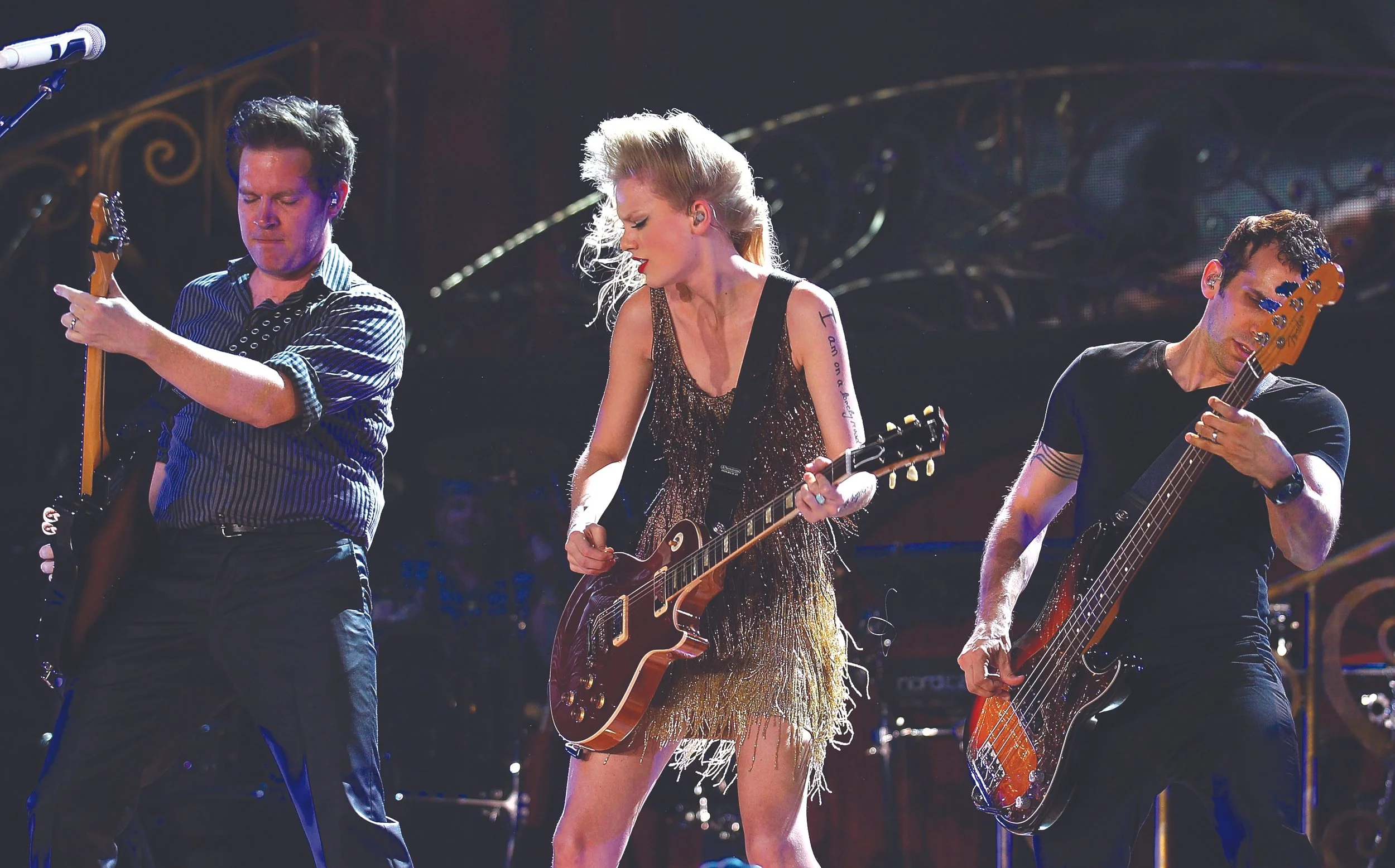
“Taylor instinctively understood what the rest of Nashville didn’t - that authenticity in the new millennium wasn’t about realism, it was about relatability.”
That insight changed everything. Swift was no longer just a country artist; she was an architect. Each single - “Picture to Burn,” “Teardrops on My Guitar,” “Our Song” - functioned as an episode in an unfolding coming-ofage narrative, meticulously crafted, yet positioned to feel spontaneous. The storytelling voice that critics would later analyse for its confessional qualities and personal lyricism was being carefully honed in the studio. As it always had been in the writing rooms of Nashville.
Early attempts to push into broader country radio formats met resistance. When Swift insisted on performing her own songs at awards ceremonies rather than covers, executives worried she’d seem “too self-serious.” When her label gambled on releasing “Should’ve Said No” as a fifth single, many insiders thought it’d overextend an album cycle.
“She wasn’t chasing influence - she was cataloguing it”
But then came the ACM Horizon Award in 2007, followed by the CMA’s Horizon Award that same year. These were crucial in their validation. Amounting to silent acknowledgments from institutions that had previously been unavailable to her.
Privately, and at that time, Swift was already thinking beyond the boundaries of country. Friends describe her record collection at the time as a mix of The Chicks, Shania Twain, and Bruce Springsteen. “She wasn’t chasing influence - she was cataloguing it,” says one former assistant. “Every sound, every chord progression. She’d dissect radio hits and figure out why they worked.”
People still muttered about her parents’ money, about supposed favours, about how “unfair” it felt that she had infrastructure others didn’t. but all it was, was a flex. One that remains there even today. Of country music itself: policing itself for authenticity.
Nashville’s inner circles continued the whispers. “If they’re talking about you,” she told a small group of songwriters at a BMI event in 2008, “then at least they’re saying your name.” That kind of precocity and knowingness - half fuck-em defiance, half it’s-all-good self-promotion - became the foundation of what would stand as a future media strategy.
From 2005 through 2008, Swift’s life blurred into a carousel of radio interviews, school timetable-driven touring schedules, and songwriting marathons. By day, she’d visit local radio stations; by night, she’d return to writing sessions with Rose or Chapman. Gradually, the subjects shifted - from heartbreak to ambition, from smalltown-longing to questions of identity. These were the seeds of what would become her second record, Fearless.
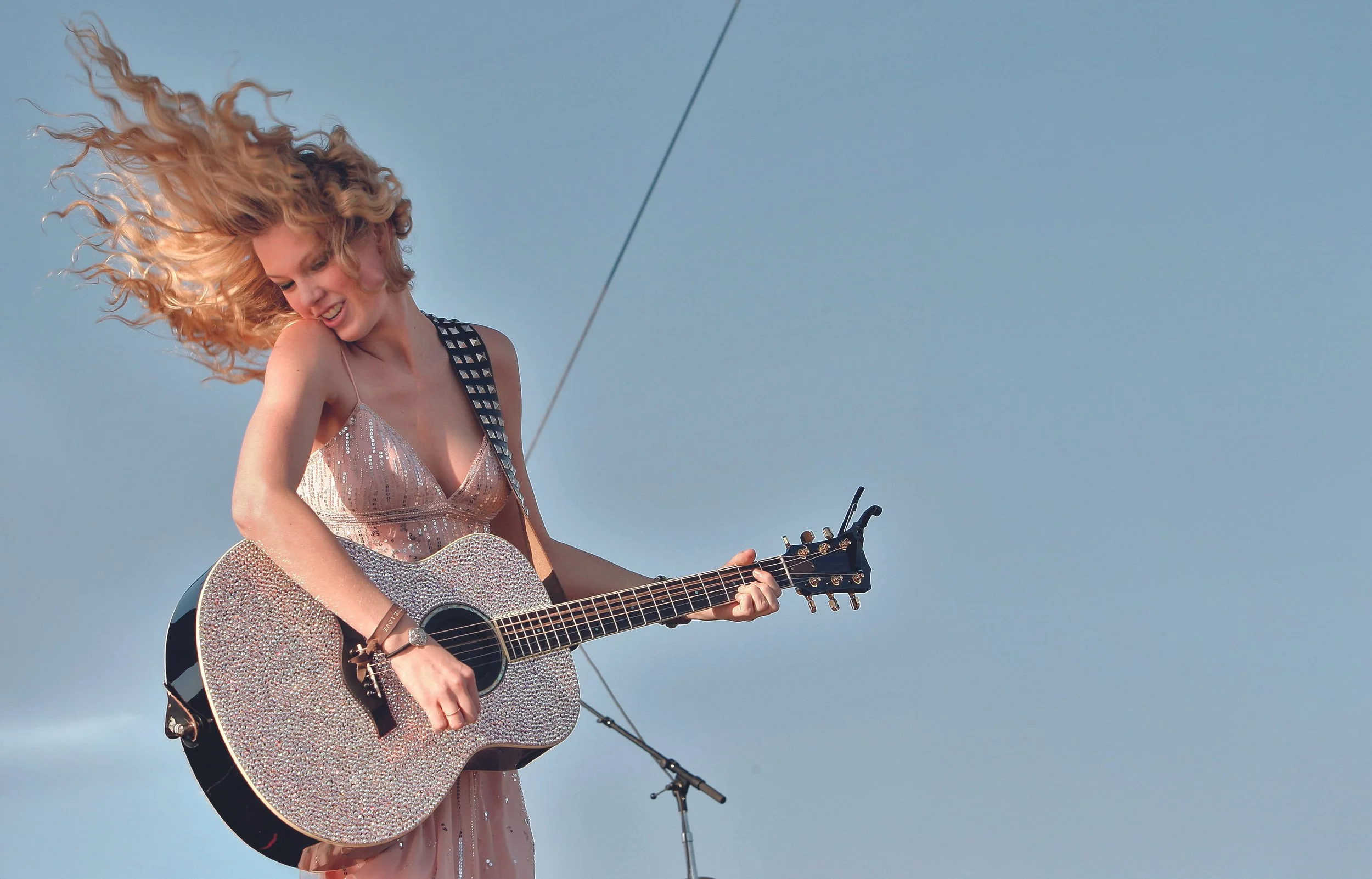
By 2007, Swift and Chapman were experimenting with layers of production that leaned distinctly into pop. Electric guitars shimmered, hooks grew bolder, and choruses stretched beyond the intimacy of country radio conventions. Borchetta, with his marketer’s instinct, saw the opportunity: “We could bridge country and pop without leaving either behind,” he said later.
The industry had attempted similar moves before - Shania Twain and Faith Hill most notably - but Swift’s approach was different. Rather than diluting her songwriting for mass appeal – and modifying the sound via famous pop producers - she magnified its emotional precision, still leaning into the intimacy of the lyrics and the playing. Song structure became even tighter, verses ever-more conversational, choruses melodic and layered . Those sessions made the record, but the roots, the attitude, the what amounted to the resilience, all came from those first Nashville years.
In hindsight, nearly every pivot she made was rooted in instinct rather than strategy. The insistence on writing her own material. The decision to partner with an unproven producer. The refusal to age herself up to fit radio demographics. Even the lowercase branding of her name on early posters - an understated choice borrowed from handsigned fan letters - communicated accessibility rather than any sense of stariness. Moreover, her relentless touring through 2007–2008 - mall shows, county fairs, acoustic stages - created an infrastructure of loyalty no advertising budget could manufacture. By the time Fearless was released in 2008, that grassroots audience had matured with her and was ready for the journey.
As her fame swelled, Nashville effectively split into two camps. The old guard, still remained wary of any pop crossover tendencies, they complained that Swift was turning country into something they didn’t like or even recognise. Whereas the younger cohort in town saw her as the blueprint for the future. One songwriter recalls arguing in a demo session in 2007: “If this is what the kids want, maybe that’s the new country.” Which it was.
Swift didn’t just leave the Nashville with millions of record sales, she left it forever changed. Her self-titled debut’s success inspired a wave of singer-songwriters - Kelsea Ballerini, Kacey Musgraves, and later, even Olivia Rodrigo citing her influence overtly - who saw emotion and control as compatible with commercial music. Nashville itself changed physically too: the small house that had been Big Machine’s first office expanded into a landmark, and Music Row’s writer’s rooms filled with aspirants who now came with journals instead of demos.
Two decades later, the Taylor Swift of 2005 couldn’t have imagined the empire she’d later build. Of multiple albums, global tours, ownership battles, and re-recordings. But it was all grounded in Nashville’s cramped end-of-session studios.
The essential lesson learned was that songwriting meant power. Where Nashville had shaped her work ethic and taught her how the machinery functioned – it also taught her that ‘the song’ was the thing. And that authenticity got people to listen.
Big Machine’s reception desk, - where Swift would once sit signing early posters for fans, is now a symbol of the city’s transformation, nay its rebirth. In 2004, all it took was for that to happen was for a teenage girl to stay late and keep writing. Her own story.