

The Beautiful Game's Ugly Bargain
Should ‘sports-washing’ and sponsorship by ethically-questionable bodies be allowed?
by 18-19 category winner, Muhammad KhubaibThe Illusion of the Clean Kit
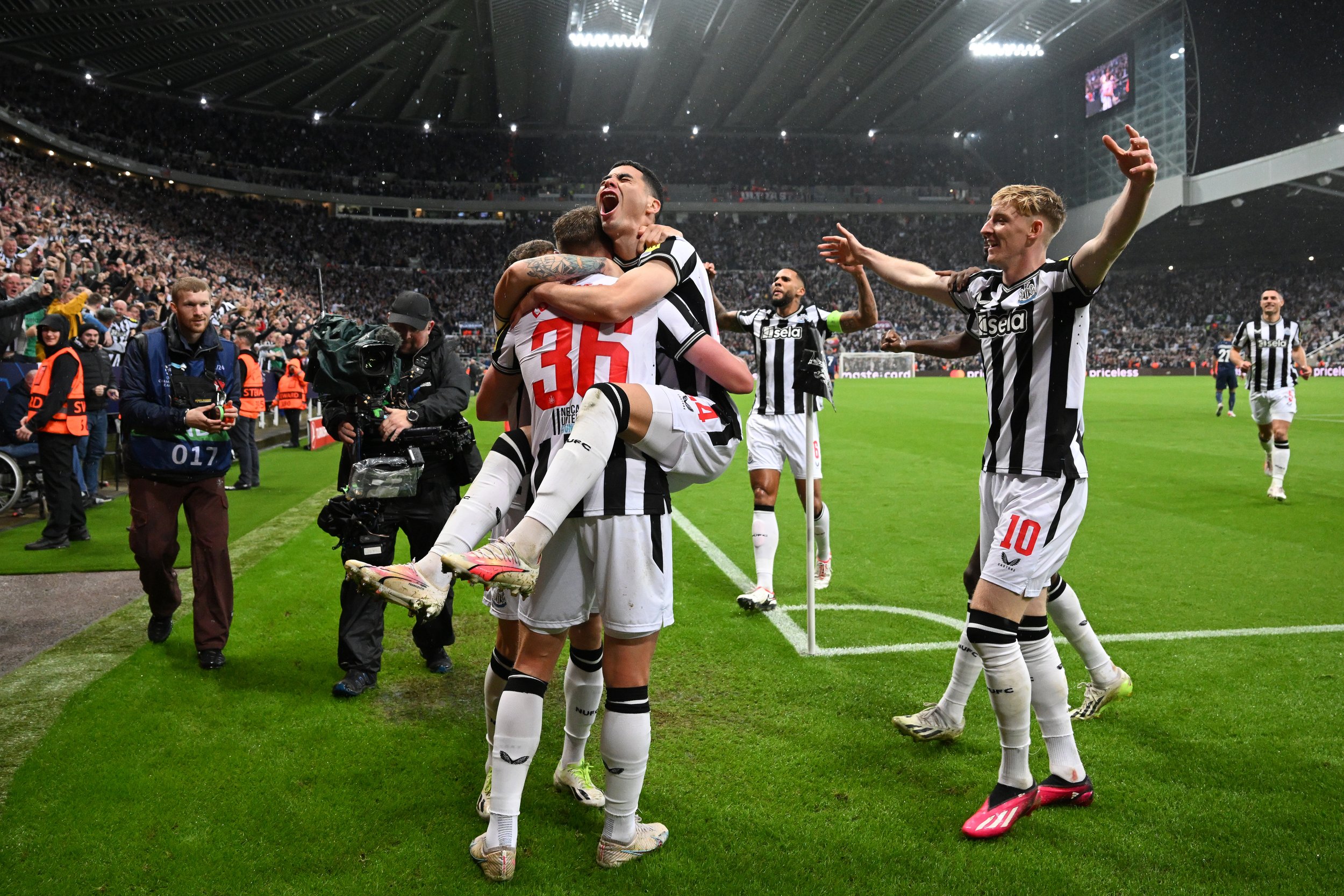
There is something quietly unsettling about watching a footballer pull on a gleaming shirt sponsored by a sovereign wealth fund whose parent government has been credibly accused of extrajudicial killings, forced disappearances, and the brutal suppression of dissent. The kit is pristine. The record is not. And somewhere between those two realities sits one of modern sport's most pressing and unresolved ethical debates: should sportswashing, the deliberate use of sporting prestige to rehabilitate the image of ethically questionable states, corporations, or individuals, be allowed to continue?
The argument for stopping it is instinctive and, in many ways, convincing. Sport is not simply entertainment. It holds a symbolic power that goes well beyond its commercial value. When Saudi Arabia's Public Investment Fund took over Newcastle United, or when Qatar hosted a FIFA World Cup built largely on the backs of migrant workers whose deaths ran into the thousands, sport became a willing party to a very specific exchange: money handed over in return for legitimacy. The sponsoring body receives something no diplomatic statement can buy, which is the genuine warmth of global fandom, the credibility of association with something people love. Calling this reputation laundering is not an exaggeration.
The damage is not purely symbolic either. Sportswashing actively provides cover. It shifts international attention, drowns out investigative reporting, and allows regimes with deeply troubling records to present themselves as normal members of the global community. When the Premier League approved the Saudi-led takeover of Newcastle United in 2021, it did so while maintaining a human rights policy it chose not to apply to the very deal in front of it. The signal was clear enough: the principles are decorative.
The Harder Questions
Even so, the case for an outright ban is not as straightforward as its supporters tend to suggest. Sport has never operated from a position of moral cleanliness. The Olympic Games went to Nazi Germany in 1936, to the Soviet Union in 1980, and to China in 2008. Each decision was disputed. None of the proposed boycotts delivered the change their advocates promised. Engagement, even when deeply uncomfortable, has occasionally opened doors that isolation kept firmly shut. Demanding that sport only do business with
the morally unimpeachable sets a standard that no other major industry, whether finance, tech, energy or fashion, is seriously expected to meet. There is a fair accusation of selective outrage hiding beneath what presents itself as principled resistance.
There is also the question of the people caught in the middle. Fans and athletes rarely get a say in who owns their club or funds their federation. The supporters of Newcastle United, who had watched years of stagnation and underinvestment under previous ownership, are not wrong to welcome competitive football. Asking ordinary supporters to carry the burden of geopolitical conscience is asking something of them that the governments and institutions making the big decisions refuse to ask of themselves.
A Framework, Not a Fantasy
The honest position, then, is not a clean yes or no. It is a demand for proper structure in a space that currently has almost none. A blanket ban is both unworkable and unevenly enforced in ways that expose institutional double standards rather than any real commitment to human rights. What sport actually needs is a transparent, consistently applied ethical framework with genuine consequences attached to it.
Governing bodies need to stop issuing voluntary human rights statements that quietly disappear when the right cheque arrives. Real accountability means independent oversight, binding due diligence requirements, and sanctions that actually sting when they are ignored. Hosting rights and sponsorship deals should come with enforceable conditions tied to measurable progress on labour rights, freedom of the press, or judicial independence, assessed by credible outside bodies rather than the governments under scrutiny.
Perhaps most importantly, revenue flowing from these arrangements should not flow exclusively into the accounts of clubs, executives, and federations. A meaningful share should be directed toward independent monitoring, athlete welfare, and the very communities whose rights are being used as bargaining chips.
The Weight of the Shirt
Sportswashing works because sport is genuinely beloved, the sums involved are staggering, and governing bodies have shown time and again that financial pressure quietly bends principle. But sport's cultural power, its rare ability to unite people, to hold the world's attention, to make strangers feel something together, is precisely what makes its complicity so costly.
The real question is not whether ethically questionable actors should be permitted to buy their way into sport. They will keep trying regardless. The question is whether sport will find the courage to set real terms and hold to them, or whether it will keep accepting the money and hoping nobody looks too closely at the shirt.