

Cheating, the Quiet Way
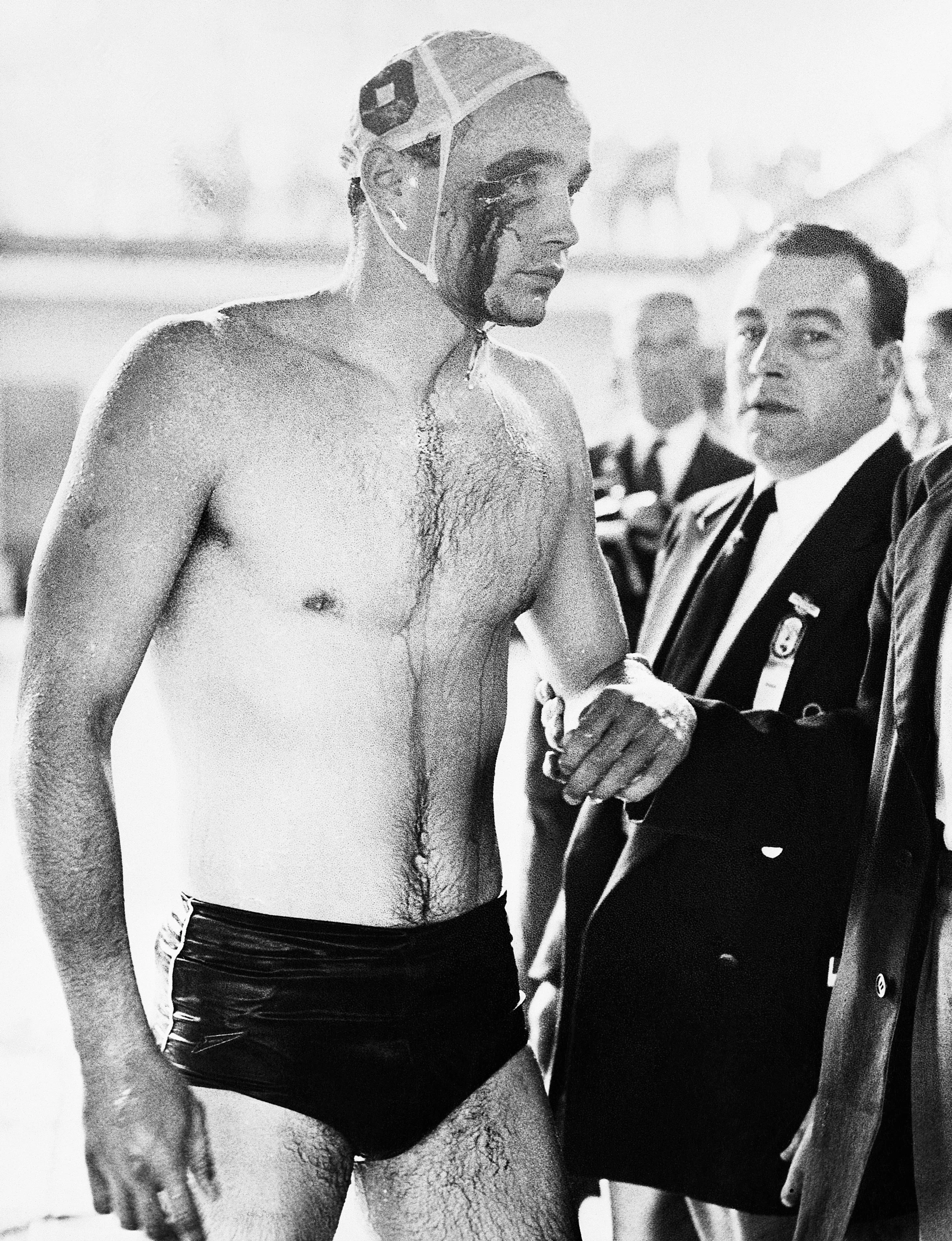
How far is too far in cheating, doping, and rule-bending?
by Freya Wood in the 20-21 age categoryWe say we want clean sport. We demand fairness, integrity, and a level playing field. Yet the way we actually consume sport tells a different story. We celebrate winning first and ask questions later – if at all. In sport, victory has a way of cleaning up uncomfortable questions. Cheating rarely goes ‘too far’ when it delivers the result we want to believe in. It only becomes unforgivable when it disrupts the story – when a victory is harder to defend than to enjoy.
Cheating is usually framed as an individual moral failure. A failed drug test. A stripped medal. A disgraced athlete. These moments offer fans clarity: someone crossed the line, and justice followed. But this framing is convenient – and misleading. It treats cheating as an exception, rather than something shaped by the culture of elite sport and the expectations placed upon it. Modern sport does not simply punish cheating; it absorbs certain forms of advantage while condemning others.
Fans are not passive observers in this process. Rule-bending is tolerated, even admired, when it can be framed as intelligence, ambition, or innovation. Tactical fouls become ‘game management’. Financial regulations are dismissed as obstacles to progress. The language shifts depending on the outcome. When success follows, scrutiny softens. Cheating only becomes unacceptable when advantage becomes impossible to ignore.
Look at the simplest, most accessible sport: running. Performance-enhancing drugs are treated as an unforgivable betrayal of fairness, yet other advantages that reshape performance are embraced without hesitation. Carbon-plated shoes are celebrated as technological progress, even as records tumble under conditions previous generations never had to faced. By improving energy return and reducing fatigue, they change not only how fast athletes run, but what counts as a ‘normal’ performance. Faster times are welcomed not because they preserve equality, but because they make the sport more exciting. Debates about fairness tend to follow the thrill, not precede it.
When scrutiny does arrive, it often comes too late to matter. Doping bans are handed down years after finish lines have been crossed, medals quietly reassigned once the moment has passed. Results may change in the record books, but rarely in memory. The image of victory survives even when legitimacy does not. Cheating, in this sense, does not fail because it happened, but because it was noticed after the spectacle had already been consumed.
These contradictions shape the incentives athletes respond to. Praise, sponsorship, and legacy follow victory far more reliably than integrity. When fans and media celebrate outcomes without interrogating conditions, they send a clear signal about priorities. Pushing boundaries becomes less an act of rebellion than a rational response to what is rewarded. The pressure to push boundaries is rarely explicit, but it is constant and widely understood.
I feel this tension most clearly in rowing, the sport I train for twelve times a week. Rowing trades heavily on the idea of ‘purity’: fixed distances, unforgiving clocks, and the belief that pain is the great equaliser. Yet beneath that image lie quieter expectations: training through injury, aggressive weight manipulation, a suspicious number of asthma diagnoses, and routine reliance on pain management. None of this resembles headline-grabbing cheating. That is precisely why it is rarely challenged. The culture is sustained not by deception alone, but by collective silence.
This is where cheating truly goes too far. Not at the moment a rule is broken, but when advantage becomes normalised to the point that refusing it carries a cost. When fairness exists in theory, but competitiveness depends on how much ambiguity an athlete is willing to tolerate. In such an environment, moral clarity gives way to survival.
Athletes do not operate in a vacuum. Careers are short, funding is precarious, and selection margins are unforgiving. The choice is rarely between cheating and honesty, but between compliance and staying competitive. Fans may condemn cheating in principle, but in practice they reward environments that make it rational. Winning cleans reputations faster than integrity ever does.
If sport is serious about integrity, responsibility cannot stop at the athlete. Fans, media, and institutions shape what is acceptable through what they reward, excuse, and remember. Until that changes, cheating will continue to thrive not because rules are unclear, but because the outcomes are too satisfying to resist. Cheating only goes too far when it breaks the illusion – and by then, the damage is already done.